Norfolk doesn't have an off season so much as a quiet season, and knowing the difference saves you from sitting in a queue on the A149 wondering why you bothered. Some events here need booking months ahead. Others reward a decision made over breakfast. Here's an honest run through the county's calendar, month by month, so you can work out which ones deserve your Saturday.
January to March: The Quiet Season, Done Properly
This is the stretch most visitors skip, and it's the one locals quietly treasure. The light is low, the beaches are empty and the pink-footed geese pile onto the mudflats at Snettisham and along the Holkham marshes in numbers that make the horizon look alive. Wrap up, bring binoculars, and you'll have the place more or less to yourself.
If you want an actual festival, February half-term usually brings Norwich Science Festival to the city, with talks and hands-on sessions at venues around the Forum. Much of it is free and walk-in; the ticketed talks are the ones that vanish first. Book those in January. Otherwise, this is the season for cheap city breaks, long lunches in half-empty pubs and theatre at the Playhouse. Two nights in Norwich in February costs a fraction of the same stay in August.
April and May: The Norfolk & Norwich Festival
May is when Norfolk properly wakes up. The Norfolk & Norwich Festival runs for roughly three weeks across the city, and it's the county's flagship arts event: classical and contemporary music, jazz, theatre, circus, literature and visual art, much of it staged in churches, halls and spaces that aren't normally venues at all. There's usually a good spread of free outdoor work alongside the ticketed programme.
Two things catch people out. First, popular shows sell out well before the festival opens, so scan the programme as soon as it's published rather than the week before. Second, it's easy to overbook. Three ticketed events in a week is plenty; pad the gaps with the free stuff and a decent lunch.
A better way to choose
Pick by genre, not by schedule. If you like chamber music, take two chamber concerts and skip the rest. If you're curious about circus, go to the circus. Trying to sample everything turns a pleasure into a shift pattern.
Also worth knowing: May is Norfolk Open Studios season, when artists open their workshops to the public. It's free, it's a brilliant wet-weather plan, and you'll end up in villages you'd never otherwise visit.
June and July: The Royal Norfolk Show and the Long Evenings
The Royal Norfolk Show lands at the Norfolk Showground in late June, two days of livestock, machinery, food tents and the particular joy of watching a heavy horse class while eating a sausage roll. Buy tickets in advance, arrive before the gates get busy, and wear something you don't mind ruining. The car parks are fields.
July is when the smaller stuff shines. Holt has its arts festival, Sandringham has its flower show, and almost every village has a fete, a beer festival or a summer fair on the green. These are free or nearly free, and frankly they're often more fun than the headline events.
If you only do one thing in July, do something you can walk home from.
August: Cromer Carnival and the Coastal Peak
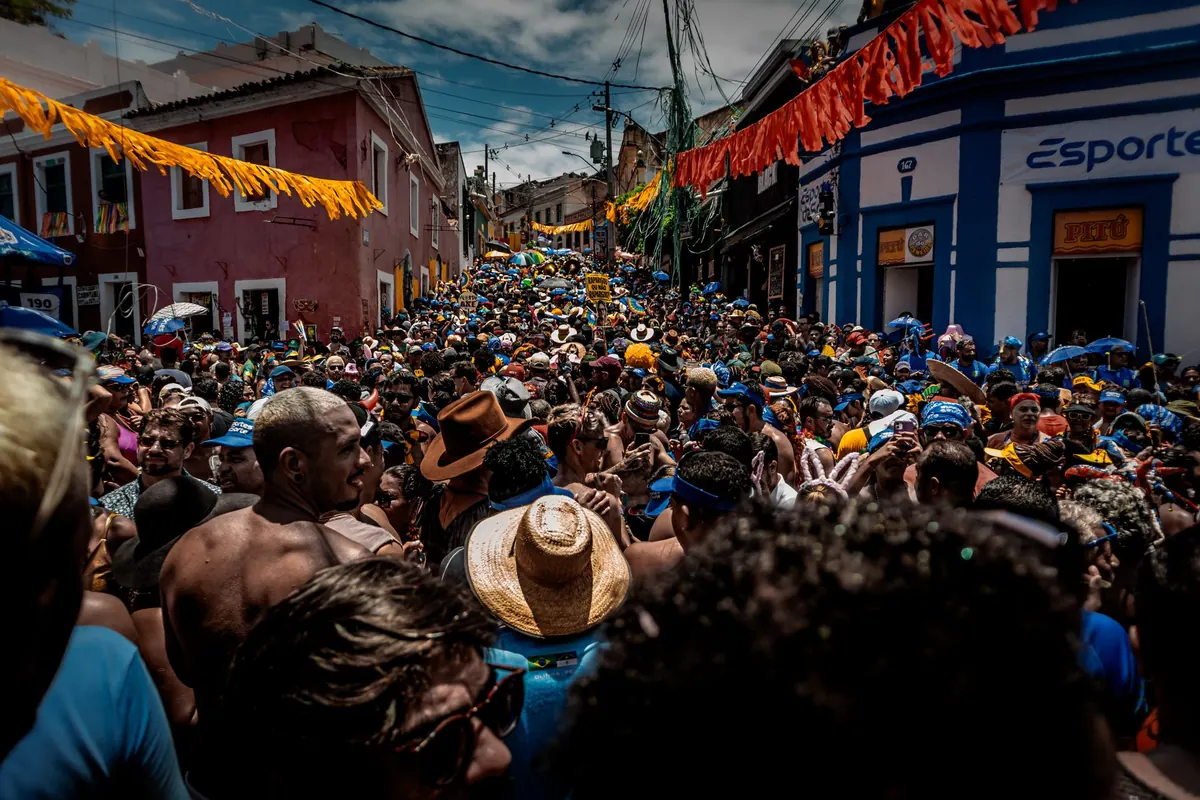
Cromer Carnival is the big one on the coast, a week of processions, fireworks, air displays and the kind of crowd that fills every chip shop within ten miles. In some years the Red Arrows appear; in all years you should assume the town will be heaving.
Practical advice, learned the hard way: park at the top of the town or on the edge and walk down, arrive before ten in the morning, and don't plan to leave immediately after the fireworks. Sheringham and Great Yarmouth run their own carnivals across the summer, so if Cromer clashes with your plans, you have alternatives.
August is also peak season for accommodation, so prices and availability are at their worst. If crowds aren't your thing, this is the month to head inland — the Broads at dusk, quiet lanes, a pub with a garden.
September and October: Heritage, Harvest and Maritime
Heritage Open Days in mid-September are the best-value fortnight in the county. Buildings that normally keep their doors shut — churches, civic halls, private gardens, odd little museums — open up free of charge. Some run guided tours that need booking; check the listings a couple of weeks ahead.
Great Yarmouth's maritime festival usually falls in September, and autumn then rolls into harvest season: apple days, farmers' markets and food events in market towns. October might be the single best month for combining an event with a proper walk, because the coast is still warm enough and the crowds have gone.
November and December: Spectacle and Lights
The Thursford Christmas Spectacular near Fakenham is the season's heavyweight — a huge, unapologetically traditional song-and-dance show that draws coachloads from across the country. It runs through November and December and sells out early, so if you want it, book now rather than in October.
Closer to earth, Norwich switches on its Christmas lights with markets and late-night shopping, and Holt does a lovely illuminated evening of its own. Bonfire night displays dot the county in early November. My only warning: December traffic in the city is its own festival, and not a joyful one.
How to Plan Your Norfolk Festival Year
- Check dates a season ahead. Most major events publish dates six to twelve months out. Diarise them, then decide.
- Book tickets and beds together. A sold-out show with no room nearby is a wasted weekend.
- Limit yourself to one big event per month. Norfolk is small but slow to cross, especially in summer.
- Build in slack on the coast road. The A149 in August is not a road, it's a queue with a sea view.
- Always have a wet-weather alternative. A gallery, a cinema, a long lunch. The forecast will test you.
- Leave room for the unplanned. A village fete with a brass band and a cake stall often beats the thing you paid for.
Start with one anchor event you'll genuinely book for, add two or three free local ones, and treat the rest as weather-dependent. That's how you get a year of festivals without needing a holiday afterwards.
Photo: Paulo Holanda / Pexels