The noticeboard by the gate says "Committee Meeting, 7.30pm, all welcome." It has said something like that for months. You have walked past it on the way to the shop, half-thought about it, and kept walking. That is how most people end up on a village hall committee: slowly, and with a bit of reluctance. Which is a shame, because the job is usually smaller than it looks and the company is better than expected.
Here is what the committee actually does, how you get onto it, and what you are letting yourself in for.
What a village hall committee actually does
Most Norfolk village halls are registered charities run entirely by volunteers. The committee — sometimes called the management committee or trustees — is legally responsible for the building and the charity. In practice that means a group of eight to twelve people deciding how the hall is heated, booked, cleaned, insured and paid for.
The list is longer than newcomers expect, but none of it is difficult:
- Taking bookings and keeping the calendar straight — the keep-fit class, the wedding reception, the parish council, the birthday party.
- Paying the bills: electricity, water, insurance, rubbish collection, the boiler service.
- Chasing the things that quietly fail — a leaking gutter, a fire door that will not latch, the stage lights nobody has tested since 2019.
- Applying for grants for bigger jobs: new chairs, a kitchen refit, roof repairs, better insulation.
- Keeping the charity paperwork in order and holding an annual general meeting.
It is the difference between a gutter being fixed in a fortnight and being discussed for two years. That is essentially the whole job.
What you are signing up for
Be realistic before you put your hand up. A typical committee meets once a month for around ninety minutes, with a longer gap in the summer. On top of that you will take on one role or a slice of the work: bookings, treasurer, minutes, publicity, bookings diary, or looking after the garden. Some months that is an hour. In the run-up to a big event or a grant deadline it can be more.
As a trustee you have duties: act in the charity's best interests, do not use the position for personal gain, and manage the hall's money sensibly. If a decision feels bigger than a village hall should be handling alone — a lease, a large building project, an employment question — the right answer is to get proper advice before voting, not after. Organisations such as Community Action Norfolk and ACRE exist precisely to help small halls with this, and the committee should already know who to ring.
Good signs to look for
- Minutes and accounts are shared before meetings, not read out for the first time.
- Roles are shared, and someone is willing to show you the ropes.
- The committee talks about the village, not just about each other.
How to join, step by step
- Work out who runs the hall. Some halls are owned by the parish council, some are independent charities with their own trustees. The noticeboard, the hall's website or the booking secretary will tell you. Ask directly: "Who is on the committee, and when do you next meet?"
- Turn up to something open. The annual general meeting is usually public, and so are most quiz nights and coffee mornings. Going once takes the fear out of it.
- Say hello and be specific. "I could help with the website" or "I am handy with a paintbrush" lands far better than a vague offer of support.
- Ask about co-option. Committees can co-opt new members between AGMs, which means you can join mid-year rather than waiting. It is the fastest route in and it is completely normal.
- Take on one small, finite task first. Run the bar at one event. Help set up for the Christmas fair. Sort the cutlery drawer. You will learn how the hall works without committing to anything heavy.
- Sort the paperwork. Expect a trustee declaration and a form noting any conflicts of interest — if you hire the hall for a class, for instance, that needs recording. If the hall runs activities for children or vulnerable adults, you will need a DBS check; the committee will organise it, and volunteer checks are usually free.
- Stand at the next AGM. That is where members are formally elected for the year ahead. Nominations are rarely contested, and a show of hands is often all it takes.
Your first few meetings
Sit near the end of the table. Take notes for yourself, not for the minutes. Ask the dull questions early, because they save trouble later: who holds the bank mandate, what the insurance covers, when the next big bill lands, what the hall's charitable objects actually say. Ask to see last year's accounts and the last set of minutes.
Do not volunteer to be treasurer in your first month. Do not agree to chair anything until you have seen a full year go past. The people who last on committees are the ones who picked their moment.
A useful rule for any new committee member: if you do not understand a decision, say so. Somebody else at the table almost certainly does not understand it either.
The social side, honestly
This is the part people underestimate. On a village hall committee you will end up working alongside the retired farmer, the new family in the converted barn, the woman who has run the toddler group for fifteen years and the man who fixes the boiler. You will learn who lends out trestle tables and who makes the best sausage rolls for the quiz interval. Meetings finish, chairs get stacked, and somebody puts the kettle on.
It is not always harmonious. Any group of volunteers has its own weather, and some halls have run on the same six people for a decade. That is exactly why new faces matter. You do not need to have lived in the village for thirty years, and you do not need to know how the drainage works. You need to turn up, say what you can do, and be pleasant about it.
Your next three steps
First, look at the hall noticeboard or website this week and find the name of the secretary or booking contact. Second, send a short message: who you are, where you live, and one thing you would be glad to help with. Third, put the next AGM or meeting in your diary and go, even if you only stay for the first half.
Village halls in Norfolk survive on a small number of people doing a modest amount each. An evening a month, a spare Saturday morning, a willingness to ask questions — that is genuinely enough. The hall in your village was almost certainly built by people who did the same thing, and it will be kept going by people who do it next.
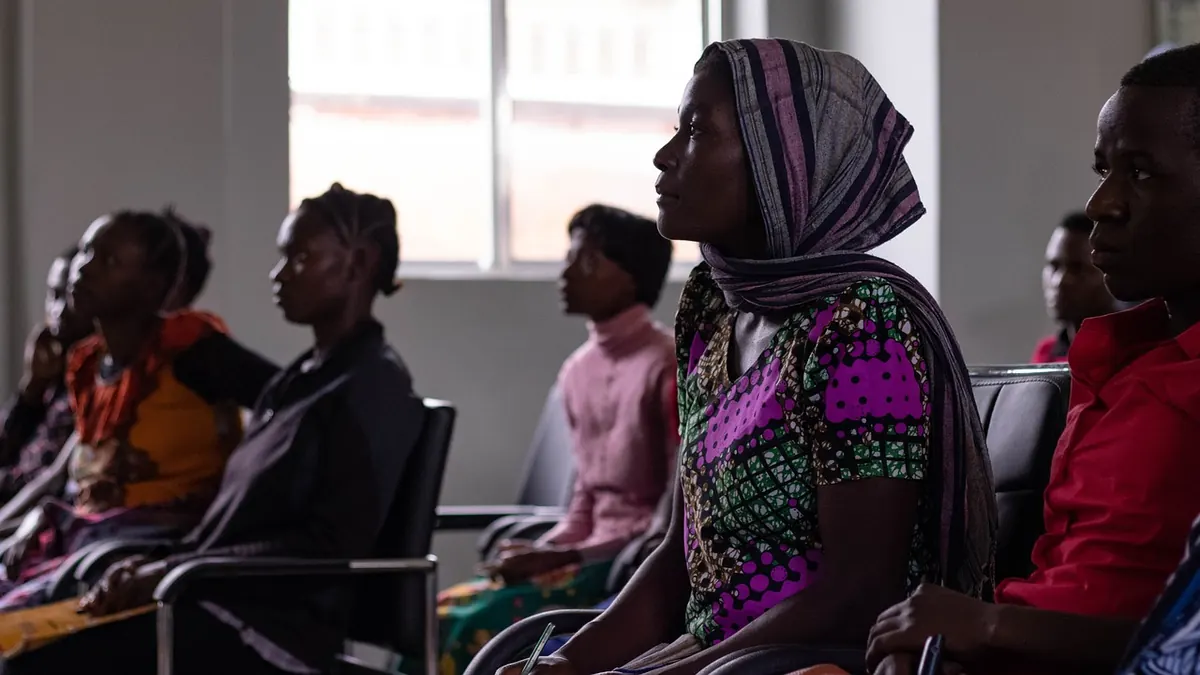
Photo: erinbetzk / Pixabay