Norfolk earns its reputation as Britain's best birding county honestly. The coast faces the right way for autumn drift migrants, the Wash pulls in enormous wader flocks on the biggest tides, and the Broads hold reedbeds where bitterns boom in February and hobbies hunt dragonflies in July. There is something worth a trip in every month of the year.
What follows is a seasonal guide to the reserves that reward a visit most, with notes on what to look for and when. Nothing here is guaranteed, and weather shifts everything by a week or two, but it should give you a decent place to start.
Winter: Geese, Wildfowl and Frosty Mornings
Winter is Norfolk's strongest season. From November the county fills with birds that have travelled south and west to escape harder weather, and the numbers build through January.
Holkham is the place for pink-footed geese. Best seen at dawn, when skeins lift off the roosts and stream out to the fields behind the pines, they are also the soundtrack to a late afternoon on the north coast. Brent geese graze the saltmarsh at Blakeney and Cley throughout the same months.
Welney, on the Ouse Washes, belongs to the swans: whooper swans in good numbers in most winters, with small numbers of Bewick's in some years, plus wigeon, pintail, pochard and goldeneye. The evening swan feed is a proper spectacle and worth timing your visit around.
Titchwell is the reliable all-rounder, with marsh harriers over the reedbed and water pipits on the freshwater marsh. On still, frosty mornings, listen for the pinging call of bearded tits before you see them. At Snettisham, a big spring tide pushes knot, dunlin, oystercatcher and bar-tailed godwit off the mudflats and into swirling clouds over the lagoons — one of the great wildlife sights of eastern England.
Roosts and cold-weather specialists
Hen harriers and short-eared owls come in to roost at Stubb Mill near Hickling and at Buckenham Marshes. Arrive an hour before dusk, stand still, and let the birds come to you. Shorelarks and snow buntings feed on the shingle at Holkham and along Snettisham beach. After a hard frost, bitterns move to the edges of ice-free dykes and are far easier to see; Titchwell and Strumpshaw both give you a chance.
Spring: Avocets, Booming Bitterns and Early Warblers
Spring arrives early on the coast. Avocets are back on the scrapes at Snettisham, Cley and Titchwell by March, and with them black-tailed godwits in rusty summer plumage, ruff, and the first garganey in April. Cley's scrapes are as good as anywhere for variety.
In the reedbeds, bitterns boom from late February into April. Strumpshaw Fen and Hickling Broad are the classic sites, but any large Norfolk reedbed can hold them. Marsh harriers perform their sky-dancing display over the reeds at Titchwell and Strumpshaw, and bearded tits are more visible now as they gather grit along the paths.
Warblers come in waves: chiffchaff first, then blackcap, then sedge and reed warblers by mid-April. Cetti's warbler is now well established in the Broads and the wet fens — a startlingly loud song from a bird you will probably not see. Give it a few minutes; sometimes it pops up.
Summer: Warblers, Hobbies and the Breckland Heaths
June and July are about breeding birds and early starts. Be on site by half past five for the full dawn chorus at Strumpshaw Fen, Ranworth or Surlingham Church Marsh, where whitethroat, lesser whitethroat, garden warbler, blackcap and willow warbler all sing within a few hundred metres of each other.
Nightingales still hold on in the Yare and Wensum valleys, including at Strumpshaw. Listen for loud, unhurried phrases coming from dense scrub, and please don't use playback to pull one into the open.
Overhead, hobbies chase dragonflies and martins across the Broads and at Lakenheath Fen, while swifts scream over the villages. On the Breckland heaths, Weeting Heath is the place for stone curlews; they nest on open ground, so stay in the hides and respect any roped-off areas. On the coast, little terns and ringed plovers nest on the shingle at Winterton and North Denes. Give the colonies room and keep dogs on a short lead nearby.
Autumn: Wader Passage and the Return of the Pink-Foots
Autumn starts in July, whether or not you feel ready. Green and wood sandpipers drop into Cley and Titchwell on their way south, followed through August by curlew sandpiper, little stint, spotted redshank and ruff in confusing variety. The Snettisham wader spectacular runs again on the autumn spring tides and can be even better than in winter.
September and October belong to drift migrants. When easterly winds meet rain over the North Sea, birds working down the Scandinavian coast get pushed across, and the pines and dunes at Holkham, Blakeney Point and Wells pick them up: yellow-browed warblers, pied flycatchers, redstarts, whinchats, wheatears. Blakeney Point needs a long walk and a spare half day, but the reward is real.
On the sea, Cley and Sheringham are the traditional watchpoints for skuas, divers, grebes and little gulls when a northerly gale pushes birds close inshore. By the end of September the pink-footed geese are back, skein after skein heading inland to roost over Holkham at dusk. The sound alone is worth the journey.
Your Seasonal Checklist
- Winter: pink-footed geese at Holkham and Snettisham, whooper swans at Welney, hen harrier and short-eared owl roosts at Stubb Mill, bitterns in hard frost, snow buntings and shorelarks on the shingle.
- Spring: avocets and black-tailed godwits on the scrapes, booming bitterns, displaying marsh harriers, chiffchaff, sedge and reed warblers, Cetti's warbler in the Broads.
- Summer: dawn chorus at Strumpshaw and Ranworth, nightingale in the Yare and Wensum valleys, hobbies over the Broads, stone curlews at Weeting Heath, little terns on the coast.
- Autumn: wader passage at Cley, Titchwell and Snettisham, drift migrants in the Holkham and Blakeney pines, sea-watching at Cley and Sheringham, pink-footed geese returning to Holkham.
Practical Notes Before You Go
Tides matter more than anything at Snettisham. The great roosts happen on the highest spring tides, so check a tide table, aim to be in position at least an hour before high water, and allow twenty minutes to walk from the car park. Elsewhere, dawn is best for geese, warblers and birdsong, while the last two hours of daylight are for harriers, owls and roosting flocks.
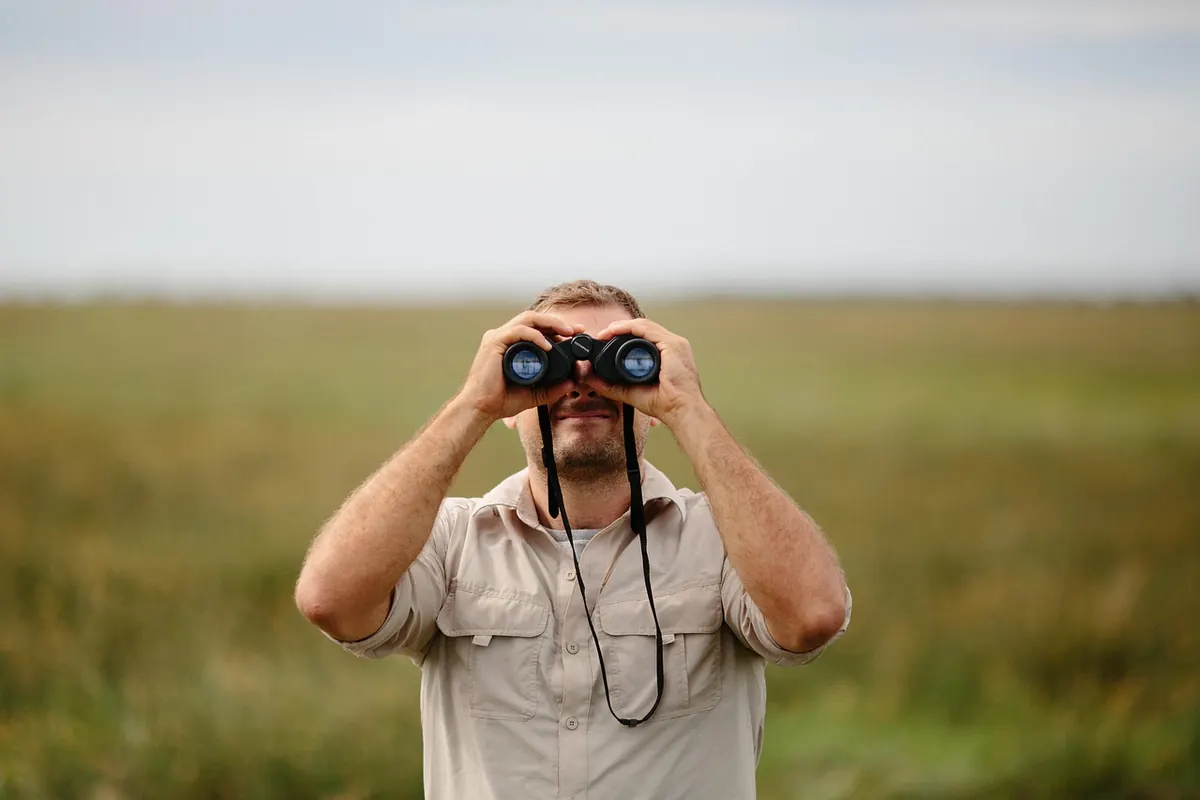
Dress for weather that changes by the hour: layers, a waterproof, boots for wet grass. Bring binoculars you can hold steady — 8x42 is a sensible all-round choice — and a telescope if you plan to work the Wash or the mudflats. Keep quiet in hides, don't flush roosting waders for a photograph, and keep dogs on a lead around nesting birds.
- Check the reserve's website before setting out, for opening times, tide and closure notices, and any parking or entry charges.
- Plan around high tide on the Wash and low tide on the estuaries, where midsummer mudflats push birds out of easy range.
- Take a flask and enough time to sit still. Most of the best sightings come after the first twenty minutes of nothing.
Go often. A reserve is a different place in January and June, and the point of a checklist is not to tick it off but to give you a reason to be outside in Norfolk at every time of year.
Photo: StockSnap / Pixabay