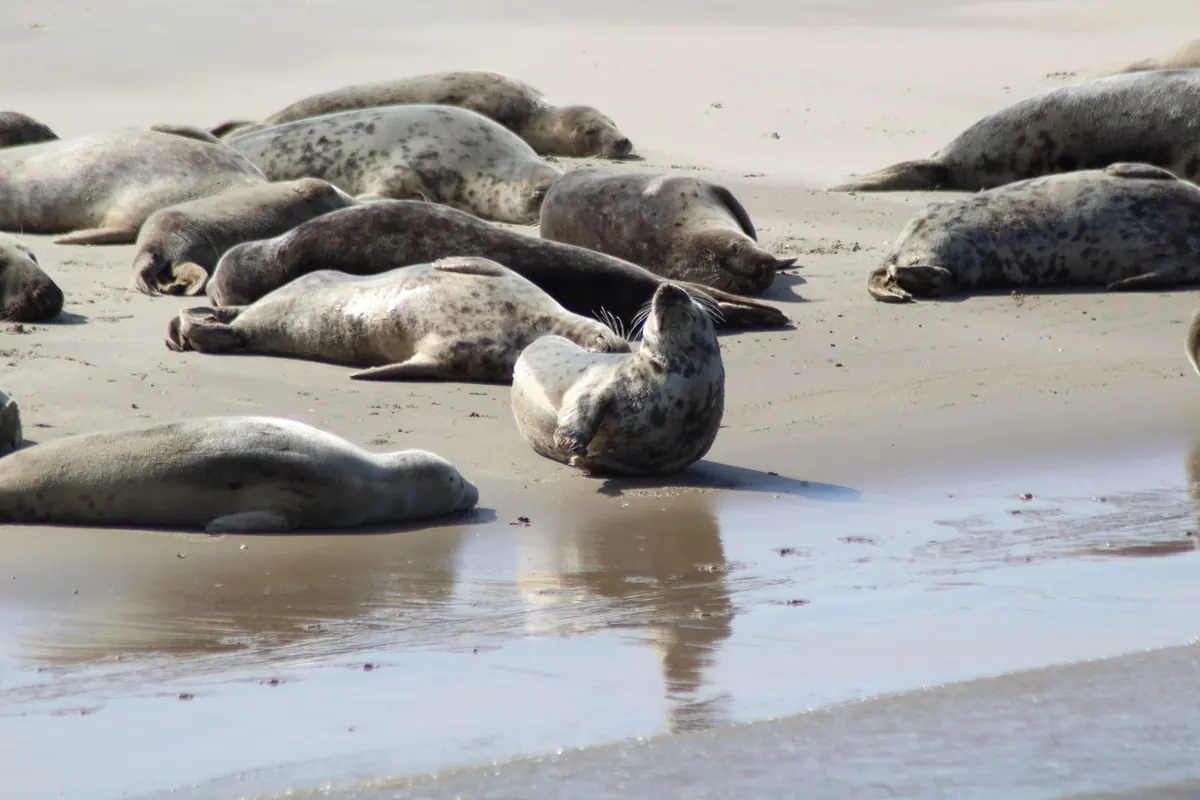
There is a particular sound on the North Norfolk coast in winter: a low, mournful moaning drifting across the sandbanks at Blakeney, and the odd indignant bark from the dunes at Horsey. It is the sound of a lot of seals, and it is the reason people drive for hours in January to stand on a freezing beach and stare.
The seals are not the problem, and neither are most visitors. Disturbance tends to happen in small, well-intentioned increments — one step closer, one dog off the lead, one drone lifted for a better shot — and it costs the animals energy they cannot spare in the coldest months of the year. Here is what to avoid.
Getting too close, and why "a bit closer" matters
A seal hauled out on a sandbank looks like a lump of stone. It is not. It is a warm-blooded animal on a tight energy budget, and every time it lifts its head to check on you, it spends a little of what it needs to survive the winter and, for mothers, to feed a pup.
The guidance used by wildlife organisations is to stay at least 100 metres from hauled-out seals, and considerably further when pups are on the beach. From a boat, the sensible approach is slow and parallel to the colony rather than straight at it, and never between a seal and the open water. If you are paddling a kayak or paddleboard and the seals start sliding into the sea, you have already answered the question of whether you were too close.
The approach angle matters as much as the distance
Seals read the world partly through their escape routes. Come at them head-on from the sea side, or drift into the gap between the colony and the water, and even a respectable distance stops feeling safe to them. That is the quickest way to push an entire beach into the sea at once, and the pups lose out first.
Drones, flash and the perfect selfie
A drone hovering overhead casts a shadow and makes a noise that reads, to a seal, like a large predator. It is one of the fastest ways to clear a beach, and it disturbs the wintering birds on the same stretch of shingle. Flash in low winter light is a smaller version of the same mistake, and so is the urge to crouch down beside a sleeping seal for a photograph with a phone at arm's length. Nothing you can post is worth the stress it causes.
Walking between a seal and the sea at Horsey
Horsey is a different sort of visit from a Blakeney boat trip. Here, in the pupping season, the seals lie up on the beach itself and against the foot of the dunes, which means visitors and seals share the same strip of sand.
The mistake to avoid is strolling along the lower beach, or dropping off the dunes at seal level, so that a line of people ends up between the animals and the water. Follow the marked routes and the roped-off areas, even when the path looks like a long way round and the seals look miles away. Those ropes are moved as the seals shift, and the wardens move them for good reason. Keep to the top of the beach or behind the dunes, use the designated viewing points, and resist the temptation to cross the sand for a closer look.
Dogs, pups and good intentions
Dogs and seals are a bad combination, and it is almost never the dog's fault. A seal that feels cornered will bite, and bites from seals are well known for turning nasty; if you or your dog are bitten, wash the wound and speak to a medical professional promptly.
Keep dogs on a short lead on any beach where seals are present, and during the pupping season it is kinder to leave them at home altogether. A dog running loose among hauled-out seals can trigger a stampede in seconds, and a mother separated from her pup in the panic may not find it again.
If a seal comes to you
It happens more often than people expect, particularly with curious young seals in the water. Back away slowly and steadily, keep children and dogs behind you, and do not touch it, however tempting. A seal on the beach is not asking for help just because it has come close.
Handling a pup that has not been abandoned
Seal mothers leave their pups alone while they go off to feed, sometimes for hours. A lone white-coated pup on the sand is almost always being looked after perfectly well from a distance, and the mother will not return while people are gathered around it.
Do not cover a pup with a coat, pour water over it, move it, or let anyone stroke it. If you genuinely think a pup is injured, orphaned or in danger from people or dogs, keep your distance and report it to one of the volunteer wardens or the relevant wildlife organisation. Leave the rescue to people who know what they are doing.
Choosing the wrong boat trip at Blakeney
Boat trips from Morston Quay are the most comfortable way to see the Blakeney Point colony, and a good skipper will give you a better view than you would ever get on foot while keeping well back. A poor one will chase the seals along the sandbanks for the sake of a photograph.
Ask a few questions before you book:
- Will the boat land anyone on the Point, or on the colony itself? It should not.
- How close does the boat get, and does the engine get cut or slowed near the seals?
- Does the trip follow the tide rather than forcing a route through resting animals?
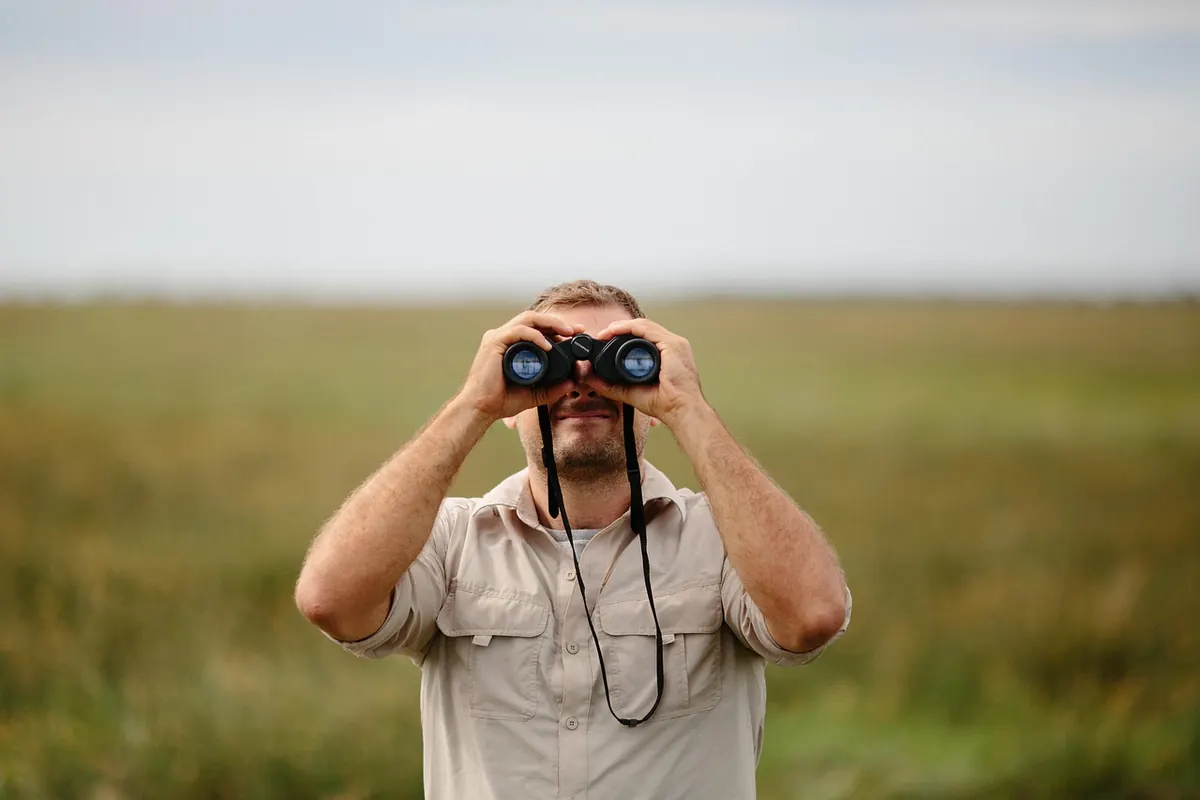
- Are there binoculars on board, and is the boat small enough that everyone gets a view?
If you would rather walk, the shingle ridge out from Cley is a proper hike in wind and cold, with little shelter and patchy phone signal. Check the tide tables, tell someone where you are going, and turn back early if the light or the weather is closing in.
Reading the warning signs before it is too late
Seals are not subtle once you know what to look for. Watch for these in order, and act at the first one rather than the last.
- Heads up and eyes on you. You have their attention, and they have stopped resting. Stop moving and back away.
- Shuffling towards the water, or a general shifting along the bank. You are too close.
- A low growl, an open mouth or a large male moving towards you. Retreat quietly — do not run, and do not turn your back on a group that is already agitated.
- A stampede into the sea. You were far too close long before this point. Leave the area immediately and give the colony time to settle.
Before you set off: a short checklist
- Binoculars or a zoom lens, so distance does not feel like a sacrifice.
- Tide times, daylight hours and a rough plan, especially for Horsey and the Cley shingle walk.
- Layers, waterproof boots and a windproof coat — the coast is colder than the car park suggests, and there is no shade or shelter.
- At least 100 metres from hauled-out seals, more when pups are present.
- Dogs on a short lead, or better still, at home during pupping season.
- Strictly behind the ropes and on the marked paths at Horsey.
- Everything you brought taken home again — plastic bags and discarded line are a real hazard to seals and seabirds.
Watch from a distance and you get the better experience anyway. A colony that is resting, feeding and occasionally bickering over a good spot on the sand is far more interesting than a beach emptying into the water because someone wanted one more step. Take your time, keep your distance, and let the seals get on with their winter.
Photo: Marije Kouyzer / Pexels